Transporting hazardous materials comes with great responsibility, especially in New South Wales, where strict rules govern how goods that pose risks to people, property and the environment are moved on public roads. This guide explores what happens after a dangerous goods spill, why preparedness matters, and how NSW transporters can respond effectively.
The immediate aftermath: safety first
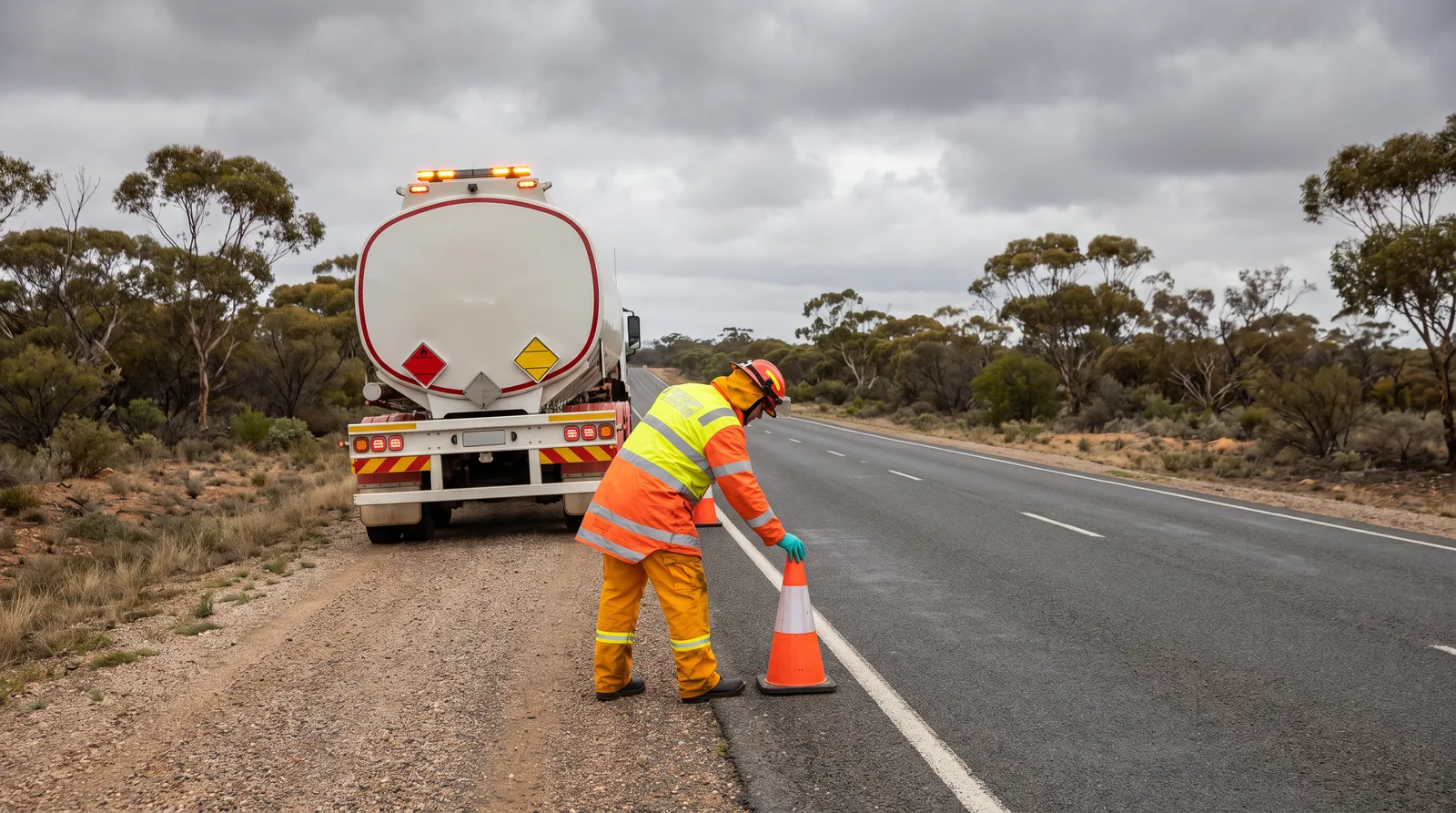
When a spill happens on the road, the first priority is safety, for the driver, other road users and emergency responders. Dangerous goods include chemicals and substances that can ignite, poison, corrode or otherwise harm life and the environment. The driver should secure their own safety by pulling over if possible, shutting off ignition sources and using hazard warning lights to alert others. Establishing a safe perimeter around the spill area helps prevent further accidents, and emergency services should be contacted immediately. NSW law requires training and licensing for drivers and vehicles transporting placarded dangerous goods, a framework designed to reduce incidents in the first place.
Reporting and notifying authorities
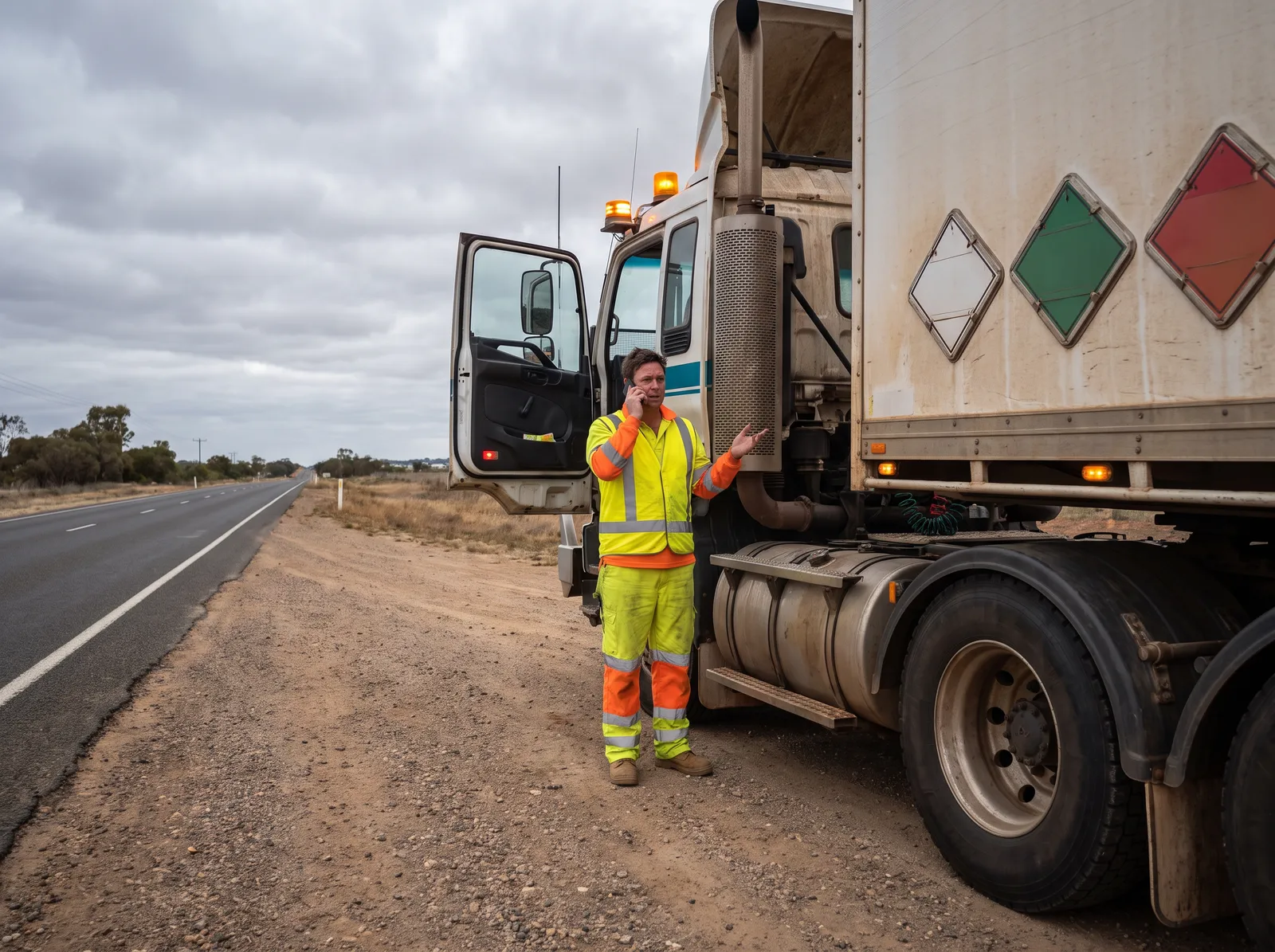
After ensuring personal and public safety, a spill must be reported quickly to the relevant authorities. This often includes police, fire services and environmental regulators such as the NSW Environment Protection Authority, who coordinate an appropriate response. Under NSW regulations, operators and drivers must follow notification protocols that include the location, the substance involved and any immediate risks. Prompt notification lets emergency services deploy the right resources and expertise. Accurate, rapid reporting forms the basis for a controlled incident response and is required under legislation such as the Dangerous Goods (Road and Rail Transport) Act.
Emergency response and containment
Once authorities are alerted, specialised emergency responders take charge of containment and control. Their immediate objectives are to stop further release, protect people from harm and prevent contamination of the environment. Responders may use emergency response guides and nationally recognised procedures to make decisions about evacuation, protective gear and containment. Depending on the substance, they might deploy absorbent materials, construct temporary bunds, or apply neutralising agents to limit the spread.
Environmental and health considerations
A spill can have consequences well beyond the immediate scene. Hazardous substances entering soil or waterways can have long-term impacts on ecosystems, and public health concerns can arise if toxic fumes or contaminated runoff affect nearby communities. Authorities assess these risks as part of their response, often involving environmental scientists and health officials who monitor air and water quality and advise on safety measures for residents.
Clean-up and investigation
Once the incident is stabilised, clean-up operations begin. This phase involves removing contaminated materials and restoring the site to a safe condition, and may require specialist contractors and adherence to waste disposal regulations. An investigation usually follows to determine the cause of the spill and whether any regulatory breaches occurred, feeding into reports for regulators, insurers and company safety teams. Beyond statutory duties, transporters and drivers can learn from incidents to refine safety practices, revisit risk assessments, improve load security and reinforce defensive driving.
Post-incident review and training
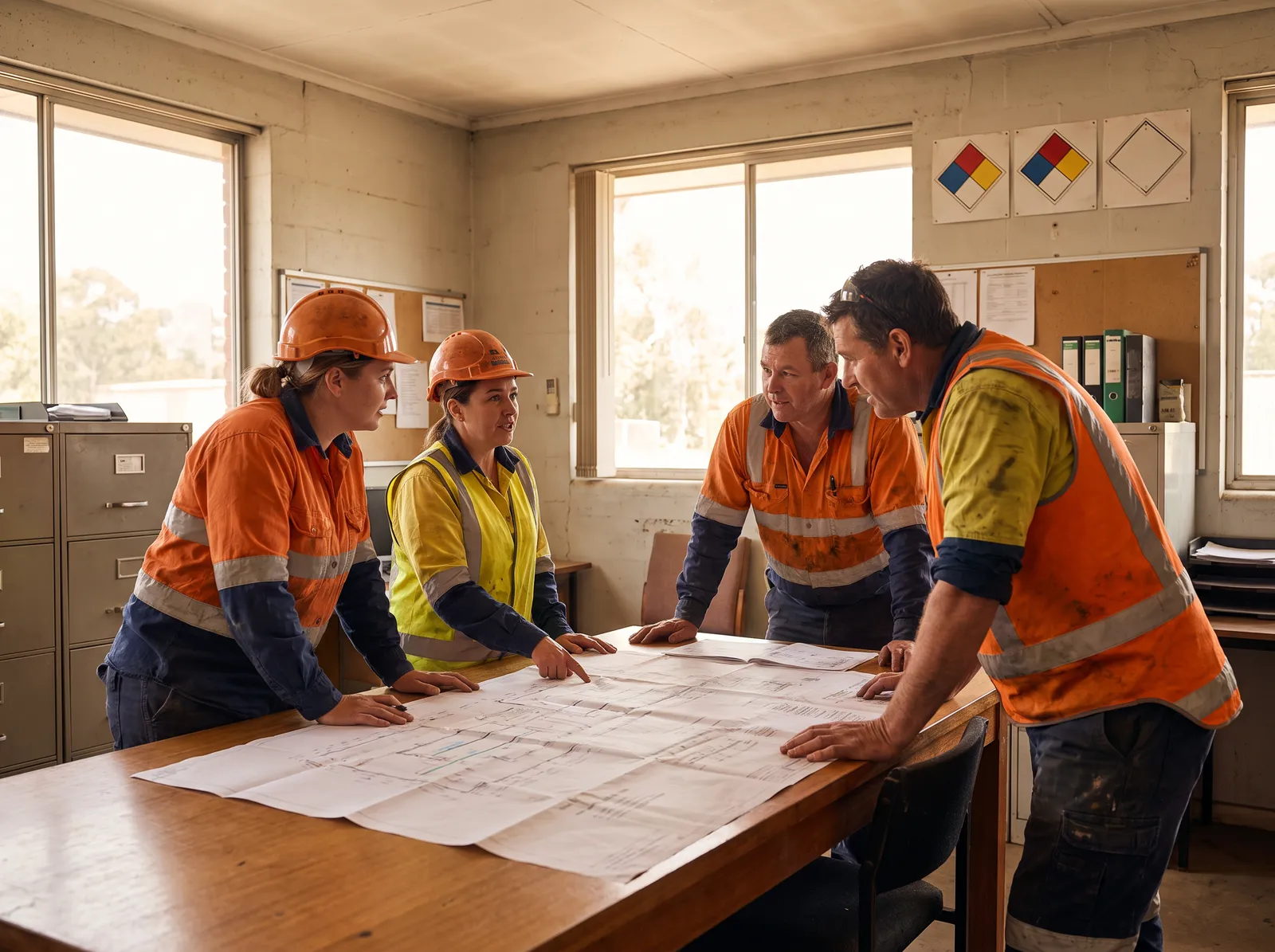
After an incident, a structured review helps prevent recurrence. Transport companies document lessons learned and update their Transport Emergency Response Plans (TERPs), which are mandatory for many placarded loads under NSW and national requirements. Training plays a central role: ensuring all drivers, supervisors and emergency contacts understand their responsibilities can dramatically reduce the severity of future incidents. Ongoing professional development reinforces habits such as thorough pre-trip inspections and defensive driving that support safer operations overall. In the days and weeks after a spill, clear communication with clients, regulators and the public keeps everyone informed of remediation and helps maintain trust.
Advice for NSW transporters
Managing dangerous goods spills takes preparation, quick action and adherence to regulatory and safety practices. By understanding what happens after a spill and why each step matters, transporters can protect people, property and the environment. Ongoing education and best-practice reinforcement are vital. Above all, partnering with a trusted training provider helps ensure your team knows how to prepare for, respond to and learn from unexpected events on the road.
FAQs
What should a driver do first after a dangerous goods spill?
Ensure personal safety, alert other road users and contact emergency services immediately.
Who must be notified after a dangerous goods spill in NSW?
Police, fire services and environmental regulators such as the NSW EPA should be informed promptly.
Are drivers required to have a response plan for dangerous goods?
Yes. Operators transporting placarded loads must have a Transport Emergency Response Plan.
Can spills be prevented?
Effective training, proper cargo securement and regular inspections all reduce the risk of spills.
Prepare your team
Talk to us about dangerous goods training in Newcastle so your drivers are ready for the road.