
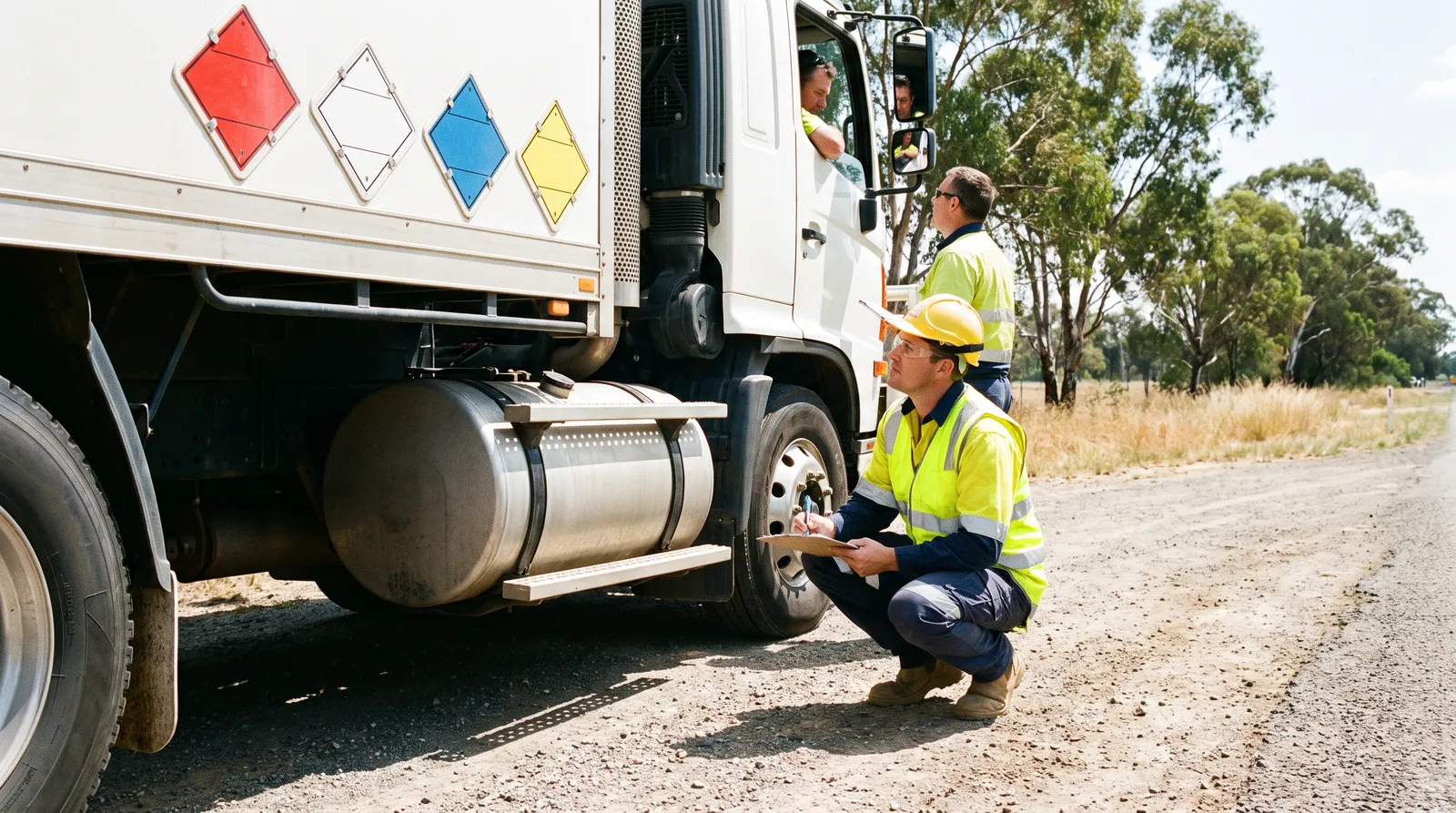
Transporting dangerous goods in New South Wales carries significant legal responsibilities, designed to protect people, property and the environment from the heightened risks these goods pose on roads and railways. Before looking at the penalties for non-compliance, it helps to understand the licensing framework and safety obligations that govern these activities across NSW.
Why licensing matters for dangerous goods transport
Dangerous goods are substances or items that can cause significant harm if released, spilled, ignited or mishandled during transit. Because of these elevated risks, the NSW Government requires people and companies involved in transporting dangerous goods to hold specific licences and permits. These are tied to the capacity and type of goods being moved, the vehicle used and the driver's training. Not having the proper authorisation is not only unsafe; it also exposes operators to heavy penalties under state law.
The legal framework in NSW
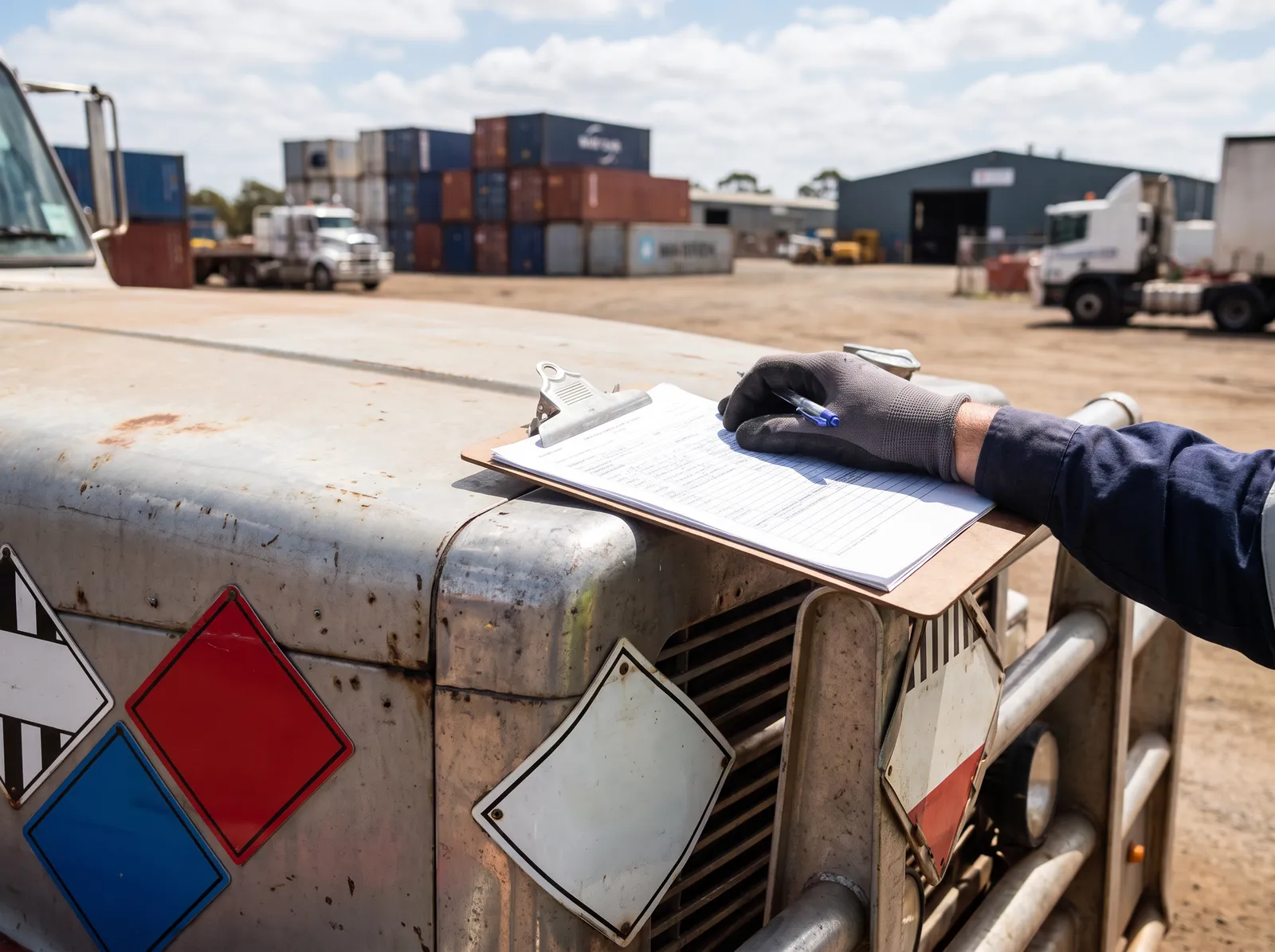
In NSW, the Dangerous Goods (Road and Rail Transport) Act 2008 and the associated Regulation form the core legal framework. These laws link to the national Australian Dangerous Goods Code, which sets technical and safety standards for packaging, labelling, placarding, handling and documentation when transporting hazardous materials by road or rail. Under this regime, both drivers and vehicles often need licences before they can legally transport dangerous goods, and licences are tied to training requirements, compliance audits, safety equipment standards and record-keeping.
Penalties for unlicensed transport
Transporting dangerous goods without the correct licence is taken seriously in NSW because it increases the likelihood of accidents with catastrophic outcomes. Penalties vary depending on the offence, who committed it and whether the offender is an individual or a company. A person driving a vehicle carrying dangerous goods without the required licence can face significant fines. Using a vehicle to transport dangerous goods that is not properly licensed can attract harsher consequences again, including much larger penalties, and in serious cases imprisonment for individuals. Corporate bodies can face even larger fines.
If a person employs, engages or permits someone else to transport dangerous goods without the required licence, that conduct also carries severe penalties. These fines are calculated in penalty units, a statutory measure used in Australian law to standardise financial sanctions. The value of a penalty unit can change over time, which means the fines can increase.
Other related offences
Penalties extend beyond being unlicensed. Transporting goods identified in the regulations as too dangerous to be transported can attract heavy penalties and imprisonment. The law also targets failures to ensure safe transport where the danger reasonably ought to have been known. In the most serious cases, such as reckless conduct causing death or serious injury, the penalties are dramatically higher again.
Compliance beyond licensing
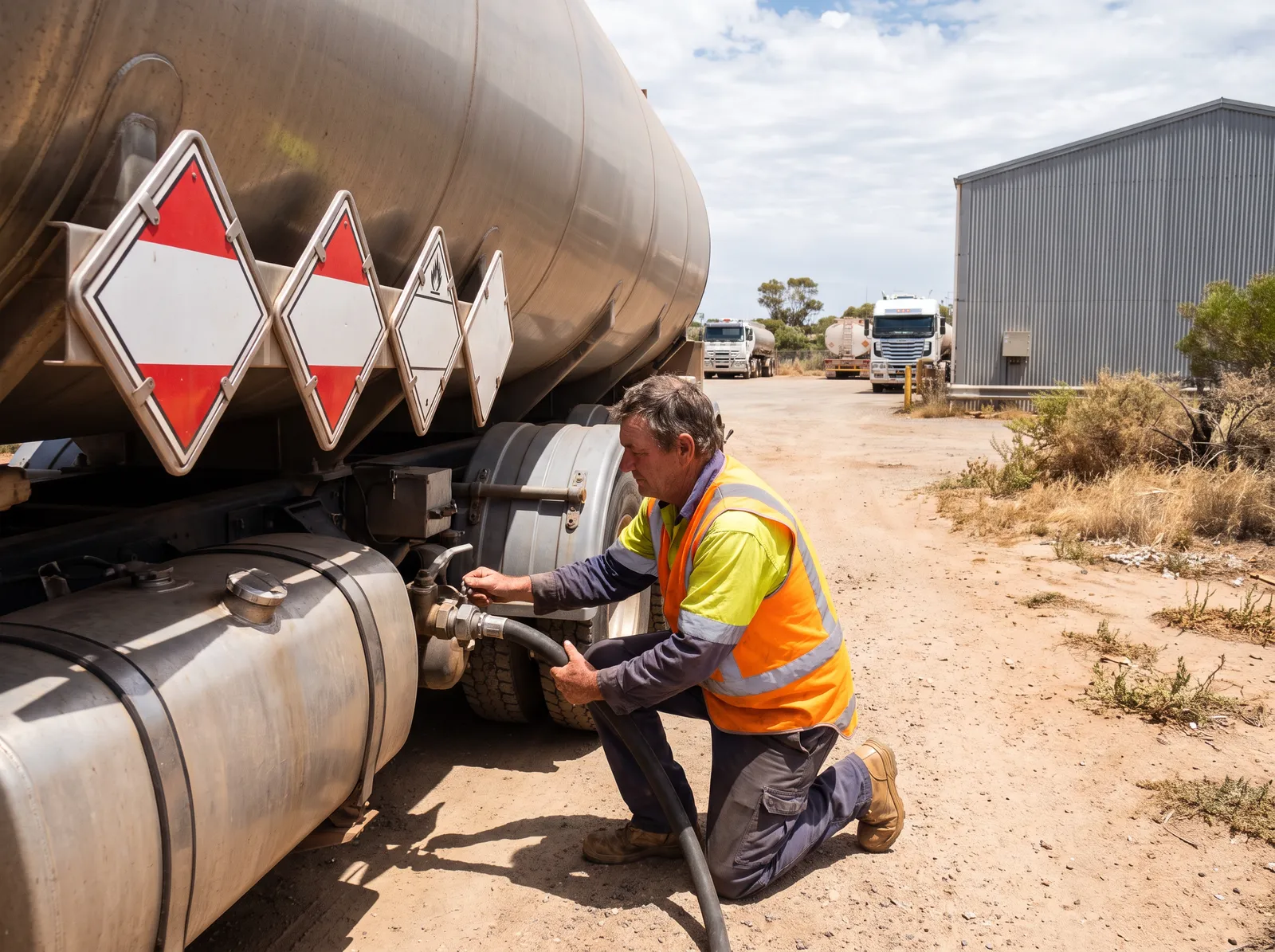
While licences are crucial, transporters must also meet standards for handling, packaging, documentation, emergency planning and vehicle equipment. All of these are enforceable, with penalties of their own if breached. Meeting these requirements protects workers, reduces the risk of fire or environmental damage, ensures compliance and keeps operations running smoothly. Businesses in dangerous goods logistics should invest in training, certification and operational planning to avoid fines and legal exposure.
The cost of non-compliance
Understanding the penalties for transporting dangerous goods without the correct licence in NSW is critical for any business or individual involved in hazardous materials. The consequences, from significant fines to potential imprisonment, reflect the priority placed on safety and public protection. For guidance on navigating licensing and compliance requirements, working with a trusted training and compliance provider can help you meet your legal obligations while running safe, reliable transport operations.
FAQs
What happens if a driver transports dangerous goods without a licence in NSW?
They can face fines and possible additional legal consequences under state law.
Can a company be fined for unlicensed dangerous goods transport?
Yes. Companies can be penalised with larger fines, often many times higher than individual penalties.
Are penalties only financial?
No. In serious cases, imprisonment is also possible, especially where reckless behaviour causes harm.
Does NSW require both driver and vehicle licences?
Yes. Both the person transporting and the vehicle used may require separate licences depending on the load.
Stay on the right side of the law
Get the correct dangerous goods training in Newcastle. Talk to us about your next course.