
Handling dangerous goods in transport is not simply moving items from point A to point B. It requires specialised knowledge, strict safety protocols and regulatory compliance. Many accidents, fines and operational failures stem from avoidable mistakes. This article explores the common pitfalls and practical ways transport professionals can stay safe, compliant and efficient on the road.
Understanding the risks on the road
Transporting dangerous goods involves materials that could harm people, property or the environment if mishandled, from flammable liquids to corrosive chemicals. Unlike general freight, hazardous materials are governed by strict rules, so mistakes can carry significant consequences, from legal penalties to catastrophic incidents. Proper planning and training are the foundation of safe handling and transport.
Skipping proper training and certification
One of the most frequent errors is inadequate training. Drivers or logistics staff without specialised knowledge are far more likely to misclassify materials, misinterpret safety data or overlook procedural steps. Never assume experience alone is sufficient. Dedicated training ensures understanding of the critical safety standards and regulatory requirements.

Misclassification and poor documentation
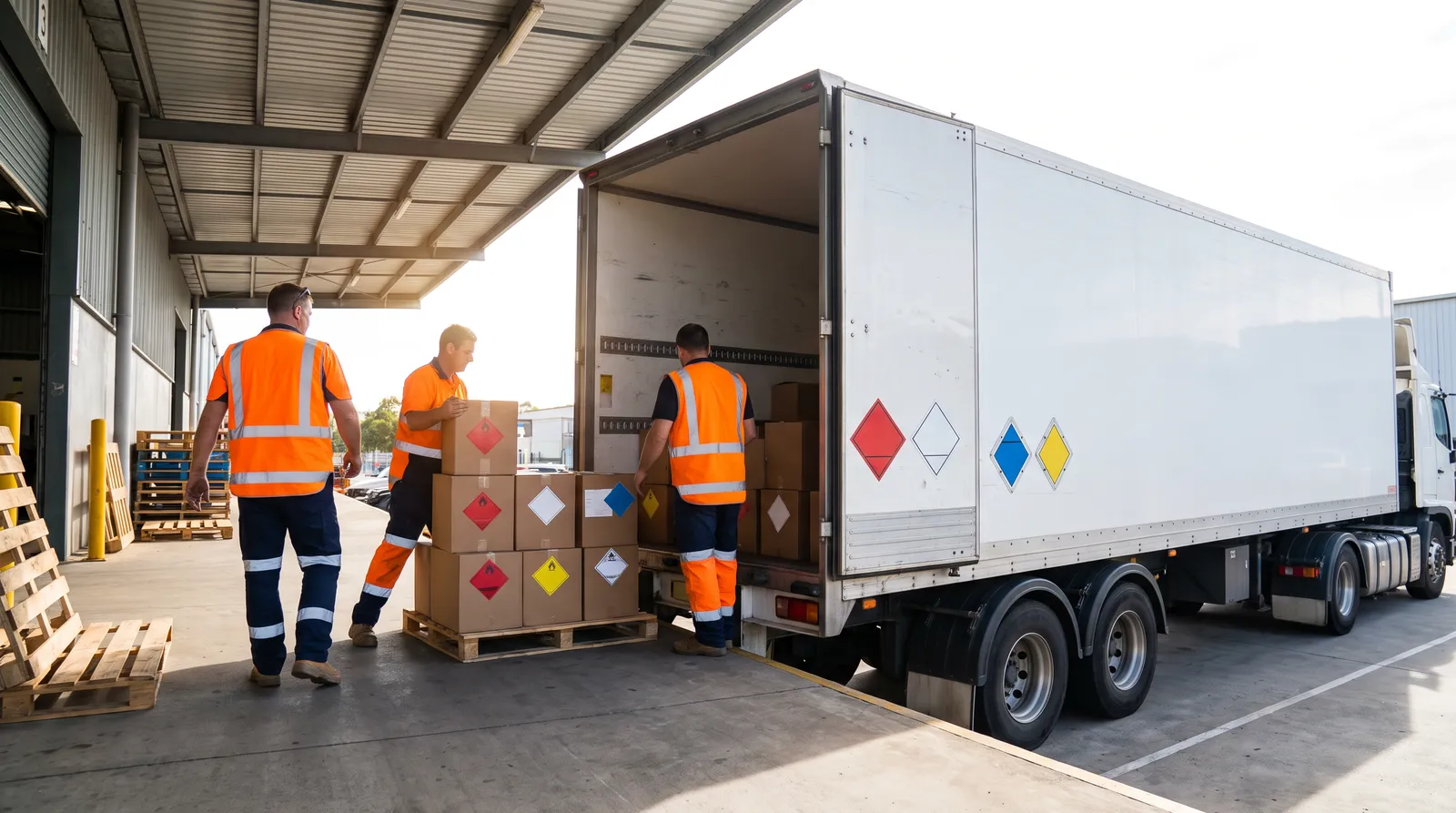
Dangerous goods must be classified, packaged and labelled accurately. Misclassification leads to improper handling, incorrect placarding and potentially hazardous situations in transit. Comprehensive documentation is not just regulatory; it helps everyone in the supply chain know exactly what they are handling. Failing to document properly can delay shipments, attract fines or cause confusion during an emergency response.
Ignoring regulatory requirements
Compliance is mandatory, not optional. Regulations differ depending on the mode of transport and the material type. Ignoring them can lead to fines, suspended licences or worse. Keeping up-to-date knowledge of current transport legislation and mandatory safety standards is essential for legal and operational security.
Inadequate packaging and labelling
Correct packaging is a major safety requirement, not a minor detail. Containers must withstand handling and transport conditions without leaking or rupturing. Non-compliant packaging or incorrect labelling increases the risk of accidents. Labels carry vital hazard information, so their absence or misuse undermines the whole safety chain.
Poor route planning and emergency preparedness
It is not uncommon for carriers to underestimate route planning. Some routes restrict hazardous materials, and failing to plan can lead to delays, fines or safety issues. Emergency preparedness matters just as much: drivers must know emergency procedures, spill controls and communication protocols to handle unexpected events.
Lack of practical experience
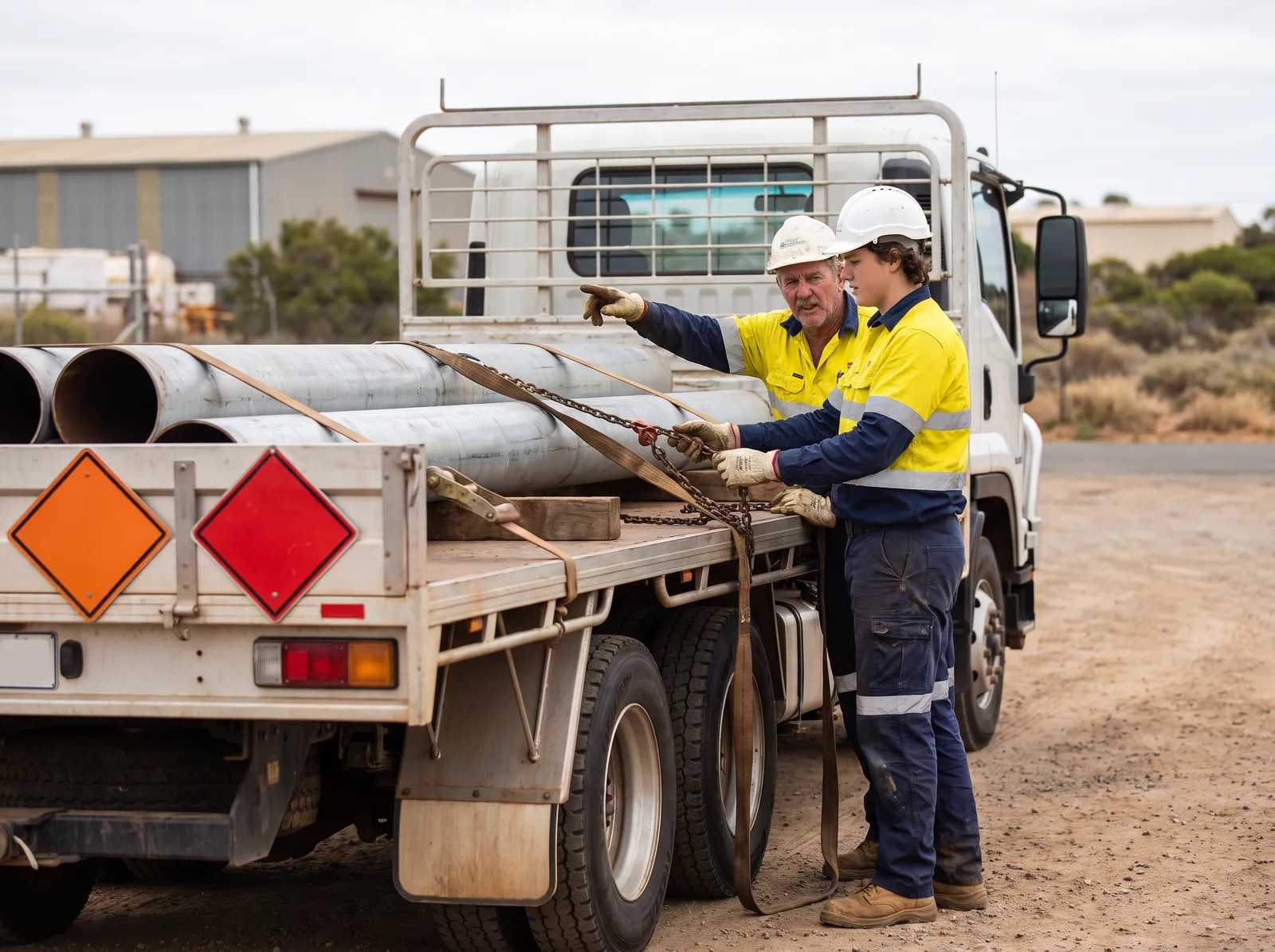
Training alone does not replace experience. Workers without hands-on exposure to real transport conditions are less prepared for field challenges. Combining classroom training with supervised practical experience builds confidence and competence. Transport providers should support ongoing skills development rather than one-off training.
Overlooking industry changes and communication
The transport industry evolves constantly. Regulations shift, new materials emerge and safety practices improve. Regular refresher courses and continuous professional development protect both safety and career growth. Communication matters too: misunderstandings between dispatchers, drivers and safety officers can lead to missteps, so clear processes for sharing documentation, alerts and route changes keep everyone aligned.

Vehicle checks and driver fatigue
Transport vehicles must be inspected regularly to ensure they are fit to carry hazardous cargo. Failures in brakes, containment systems or safety equipment can trigger accidents, so systematic pre-trip checks and routine maintenance reduce risk. Fatigue is another known contributor to mistakes: long hours and intense schedules make a driver more likely to misread labels or react poorly in an emergency, so work-rest cycles and healthy practices matter.
How to avoid these mistakes
- Invest in specialised dangerous goods training for all staff.
- Establish rigorous classification and documentation processes.
- Stay up to date with evolving transport regulations.
- Prioritise practical experience alongside theory.
- Implement structured communication and emergency response plans.
- Maintain vehicles and conduct regular safety checks.
- Support driver wellbeing to reduce human error.
Final thoughts
Avoiding dangerous goods transport mistakes takes a blend of knowledge, skill and diligence. Providers that support people starting a career in transport offer comprehensive training, including licences and dangerous goods courses that help professionals build the right foundations. Investing in quality training and adhering to standards is not just good practice; it is essential for safety, compliance and career longevity.
FAQs
What are dangerous goods in transport?
Materials that pose health, safety or environmental risks during transport and require special handling.
Why is specialised training important?
It ensures proper classification, compliance with regulations and safe handling of hazardous cargo.
Can mistakes lead to legal issues?
Yes. Failing to meet regulatory requirements can result in fines, licence issues or accidents.
Is practical experience necessary?
Yes. Hands-on experience complements training and improves safety performance.
Build the right foundations
Ask about dangerous goods training in Newcastle for you or your team.