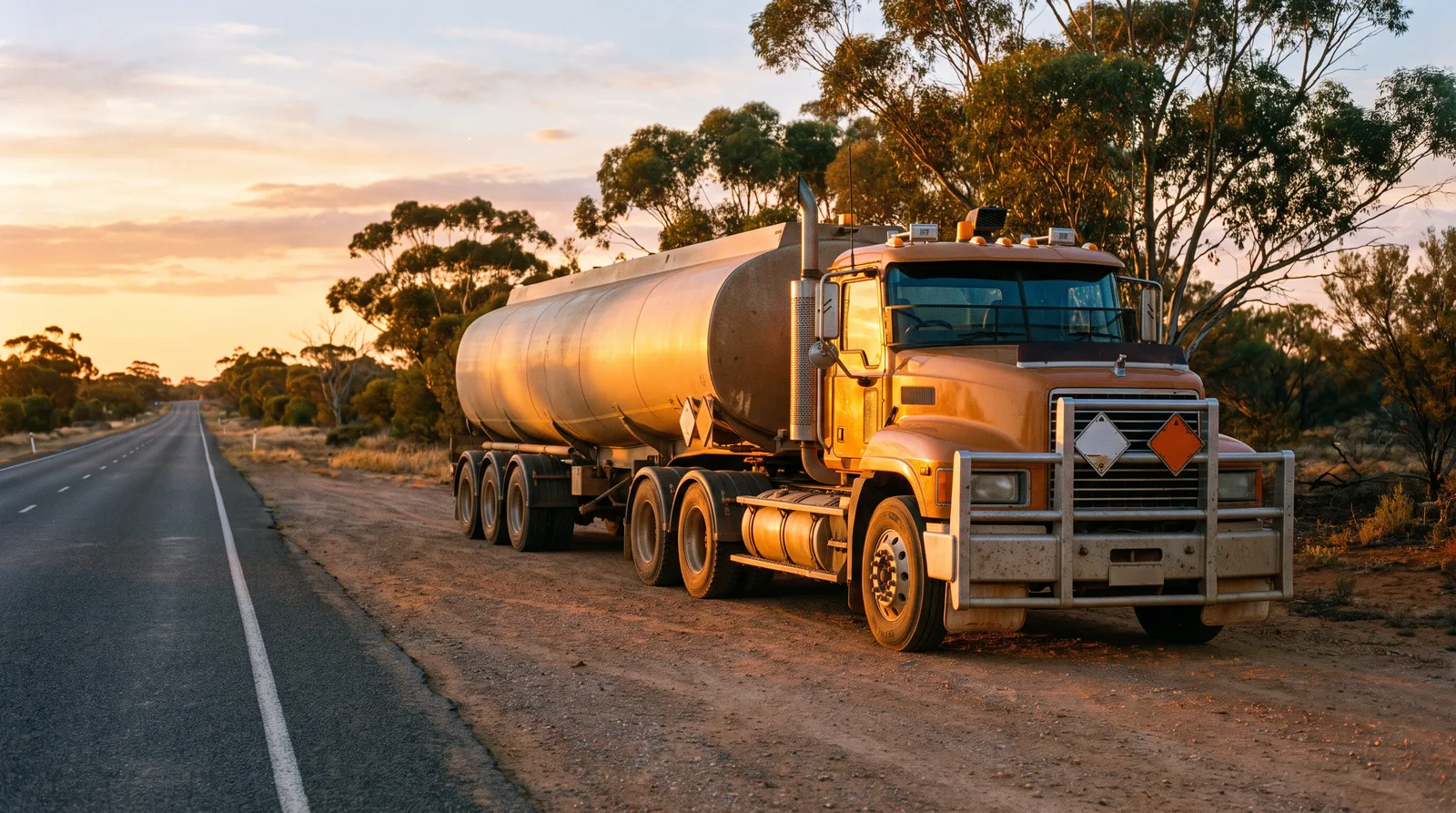
Transporting dangerous goods in New South Wales is not something to take lightly. From fuel to chemicals, these materials present real risks to people, property and the environment if they are not handled correctly. Understanding whether you need a full driver licence or awareness training is the first step to compliance and safety, and it matters for anyone working in transport, logistics, warehousing or handling hazardous substances in NSW. This article explains the difference between the two training paths and helps you decide which is right for you.
Understanding dangerous goods in NSW
Dangerous goods are defined by their ability to cause harm through chemical or physical properties, such as flammability, toxicity or reactivity. In NSW, the transport of these goods is regulated to protect workers, the public and the environment. NSW law, administered by the EPA and SafeWork NSW, expects people handling or transporting dangerous goods to have appropriate competency. That can range from basic awareness to a full driver licence, depending on your role and the quantity of goods you work with.
What is dangerous goods awareness training?
Dangerous goods awareness training is designed for people who need to identify, classify and handle dangerous substances safely, but who do not transport them in bulk or drive specialised vehicles. This type of course covers:
- Identifying the hazardous properties of substances
- Understanding transport documentation
- Safe storage and handling practices
- Risks associated with packaging and movement
It is ideal for staff who may encounter dangerous goods at work, such as warehouse workers or logistics coordinators. Awareness training focuses on safety and compliance without the more extensive skills or legal authority tied to driving licensed dangerous goods vehicles.
When you need a dangerous goods licence
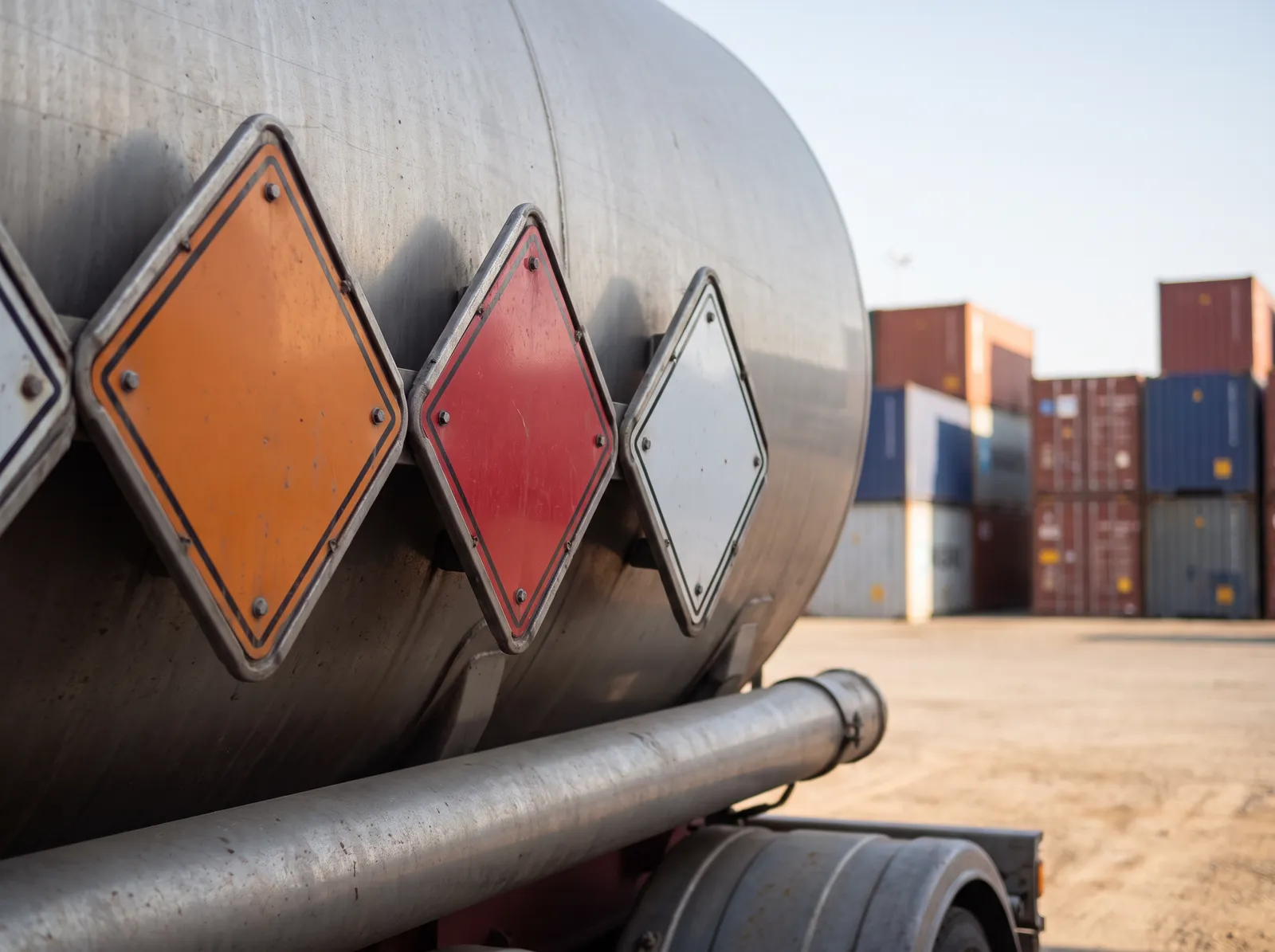
A dangerous goods licence goes beyond awareness. In NSW, drivers or operators transporting goods that exceed certain weight or volume thresholds are legally required to hold this licence. This course is more comprehensive and aimed at people whose roles involve:
- Driving vehicles carrying dangerous substances
- Handling large bulk containers
- Taking responsibility for road transport compliance
Licence training includes deeper content on safety laws, documentation requirements and duties under NSW transport regulations. It prepares participants not just to be aware of hazards, but to act within legal frameworks while transporting dangerous goods.
Choosing between licence and awareness
Deciding between awareness and a licence depends on what your job requires. If you handle dangerous goods that never leave a facility, or you deal mainly with packaging and classification, awareness training may be enough. If you drive vehicles carrying hazardous materials above regulated thresholds, or you have direct responsibility for their transport, you need to complete a dangerous goods licence course. The law in NSW is clear: without the correct licensing, transporting these materials can result in penalties and greater risk of incidents.
It is worth noting that many training organisations also offer complementary courses that build broader competency in heavy vehicle operation, such as heavy combination licence training, which can be useful if your career involves both driving and dangerous goods handling.
Making the decision for your career
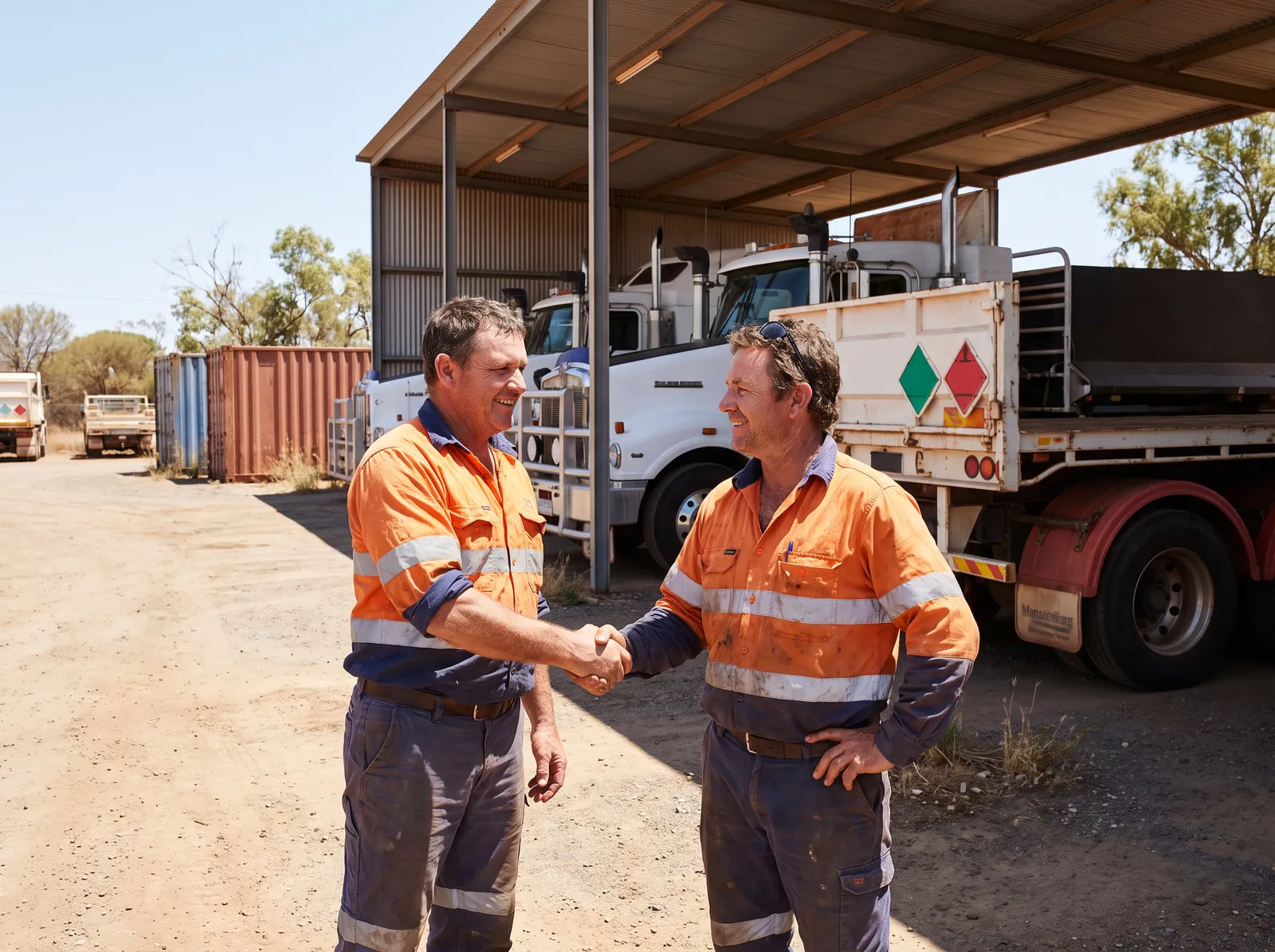
If you are still unsure, think about how dangerous goods fit into your role right now and where you want your career to go. Entry-level roles often start with awareness training, building foundational knowledge that keeps people safe and informed. If your work involves actual transport, especially by road, lean towards the more comprehensive licence route. For many professionals in transport and logistics, the best outcome is to complete both awareness and licence training over time.
Your next steps
Choosing whether to pursue awareness or a full dangerous goods licence in NSW comes down to your role and responsibilities. Awareness gives you essential knowledge about safe handling and compliance, while a licence lets you operate vehicles transporting dangerous goods within regulatory frameworks. If your work requires certified training, look for a registered training organisation that specialises in both awareness and licence courses tailored to NSW requirements, and get in touch to talk through your options.
Frequently asked questions
What is the main difference between awareness and licence training?
Awareness focuses on safe handling and hazard understanding, while a licence authorises the legal transport of dangerous goods by road.
Do I need a licence to handle small amounts of dangerous goods?
Not usually. Awareness training is often sufficient unless the quantity or your role triggers licensing requirements.
Who regulates dangerous goods transport in NSW?
The NSW EPA regulates the transport of dangerous goods by road and rail, while SafeWork NSW oversees their storage and handling in the workplace.
Is licensing mandatory for drivers transporting hazardous goods?
Yes. If you transport volumes above the regulated thresholds, you must hold the appropriate licence.
Still not sure which course?
Tell us about your role and we will point you to the right training in Newcastle.